What does "online cleaning" mean?
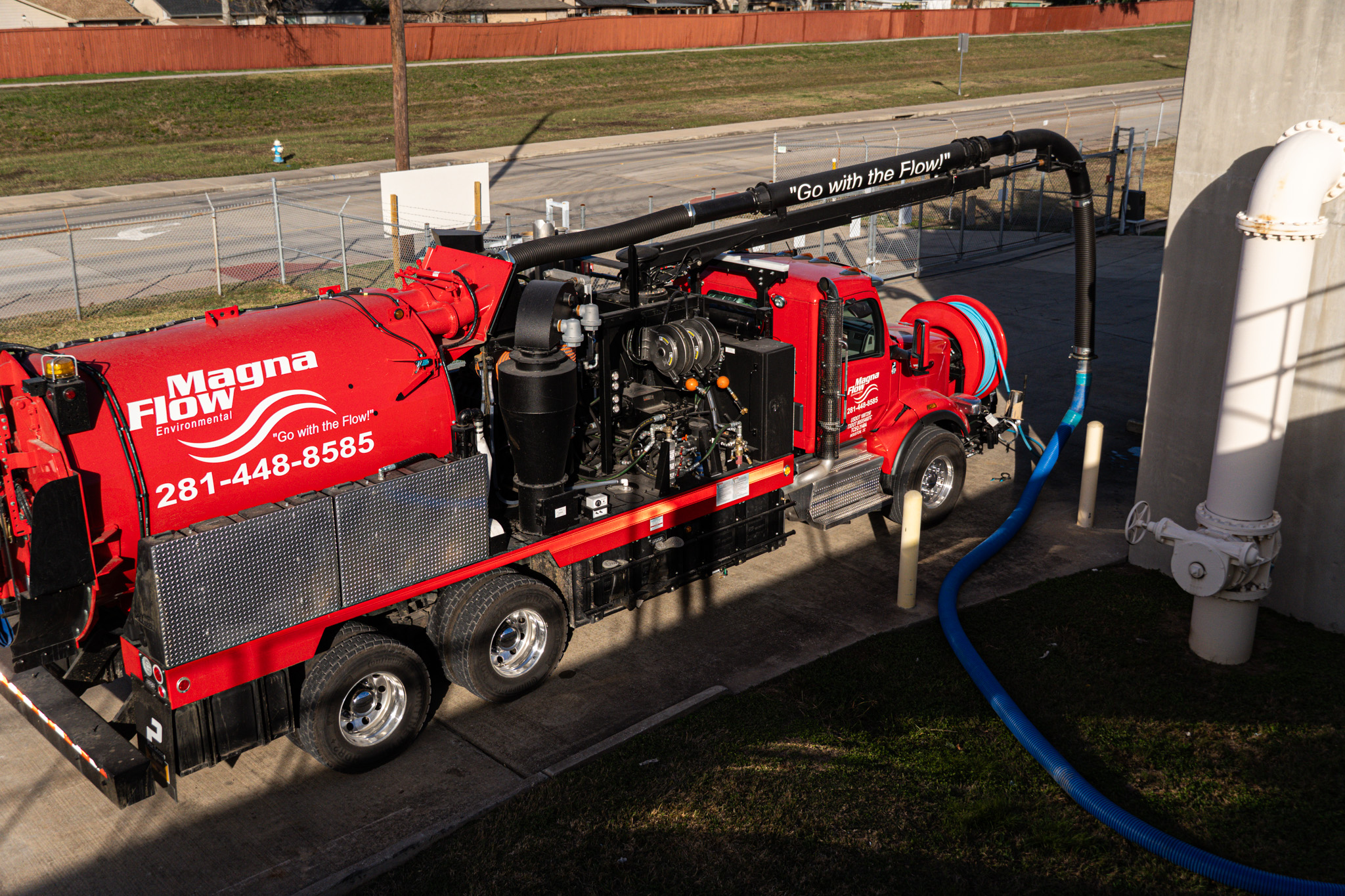
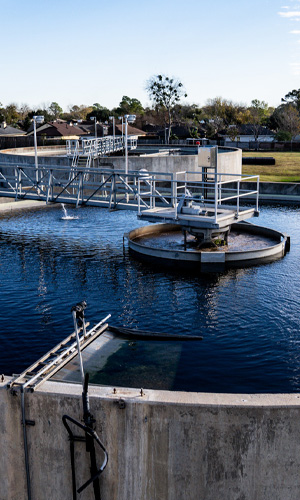
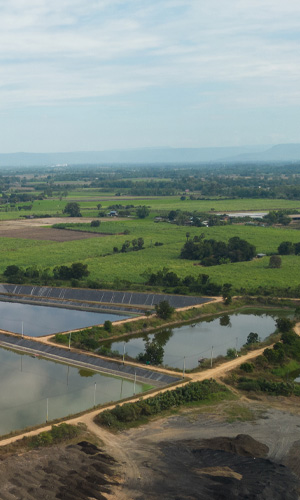
Online cleaning refers to the process of cleaning tanks, basins, clarifiers, and other treatment plant components while the system remains in active service — without requiring a full shutdown or bypass. Specialized equipment and techniques allow crews to remove accumulated solids, debris, and buildup while the unit continues to receive and process flow.
What types of facilities and equipment can be cleaned online?
Online cleaning services are applicable to a wide range of wastewater and industrial treatment components, including clarifiers, aeration basins, equalization basins, digesters, wet wells, lift stations, and holding tanks. The specific approach depends on the unit's configuration, flow conditions, and the type and volume of accumulated material.
How does online cleaning avoid disrupting treatment performance?
Online cleaning methods are selected and staged to work within the active flow of the system. Crews coordinate with plant operators to identify windows and sequences that minimize impact to treatment processes. Equipment positioning, removal rates, and work sequencing are all planned to keep effluent quality and permit compliance maintained throughout the cleaning operation.
What happens to the material removed during online cleaning?
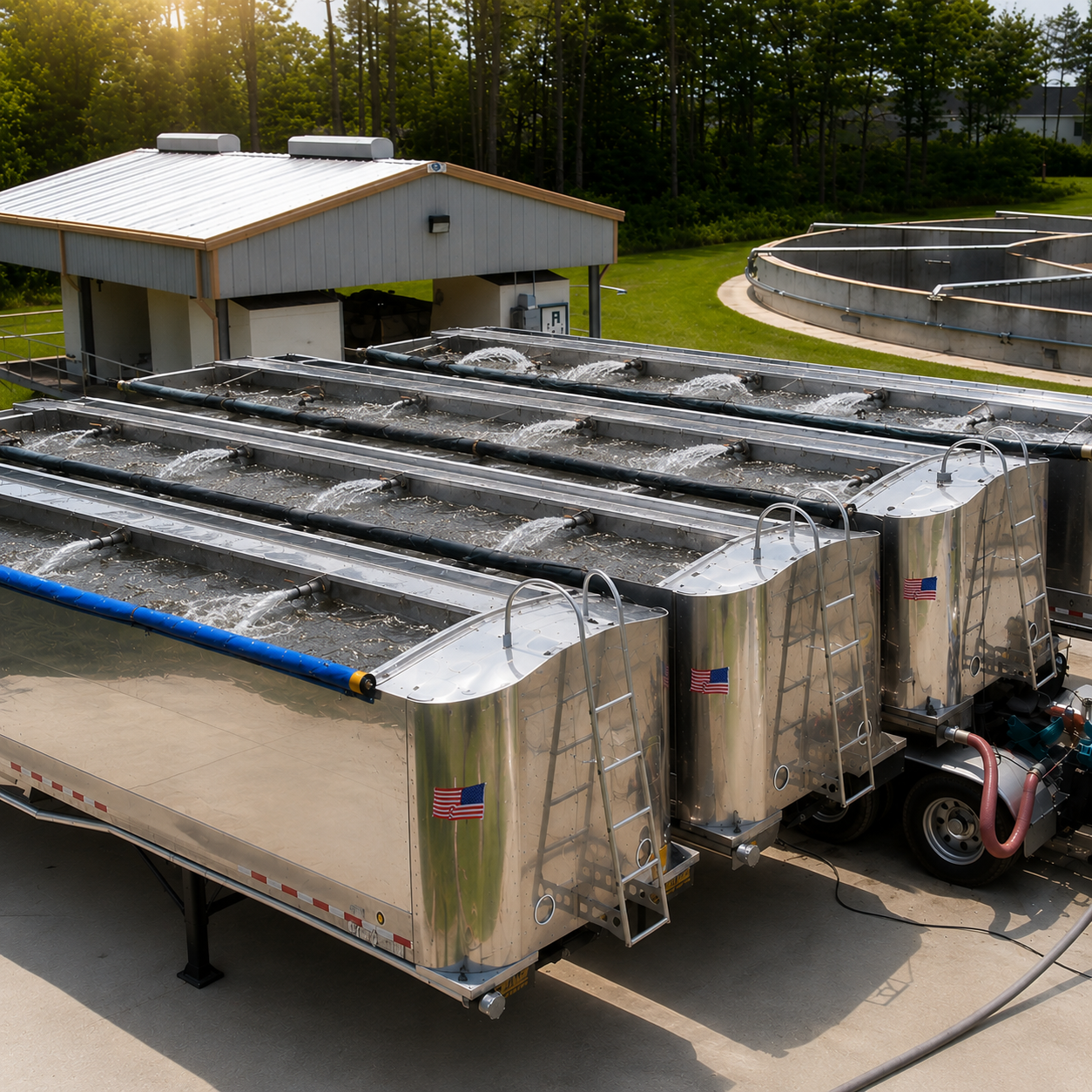
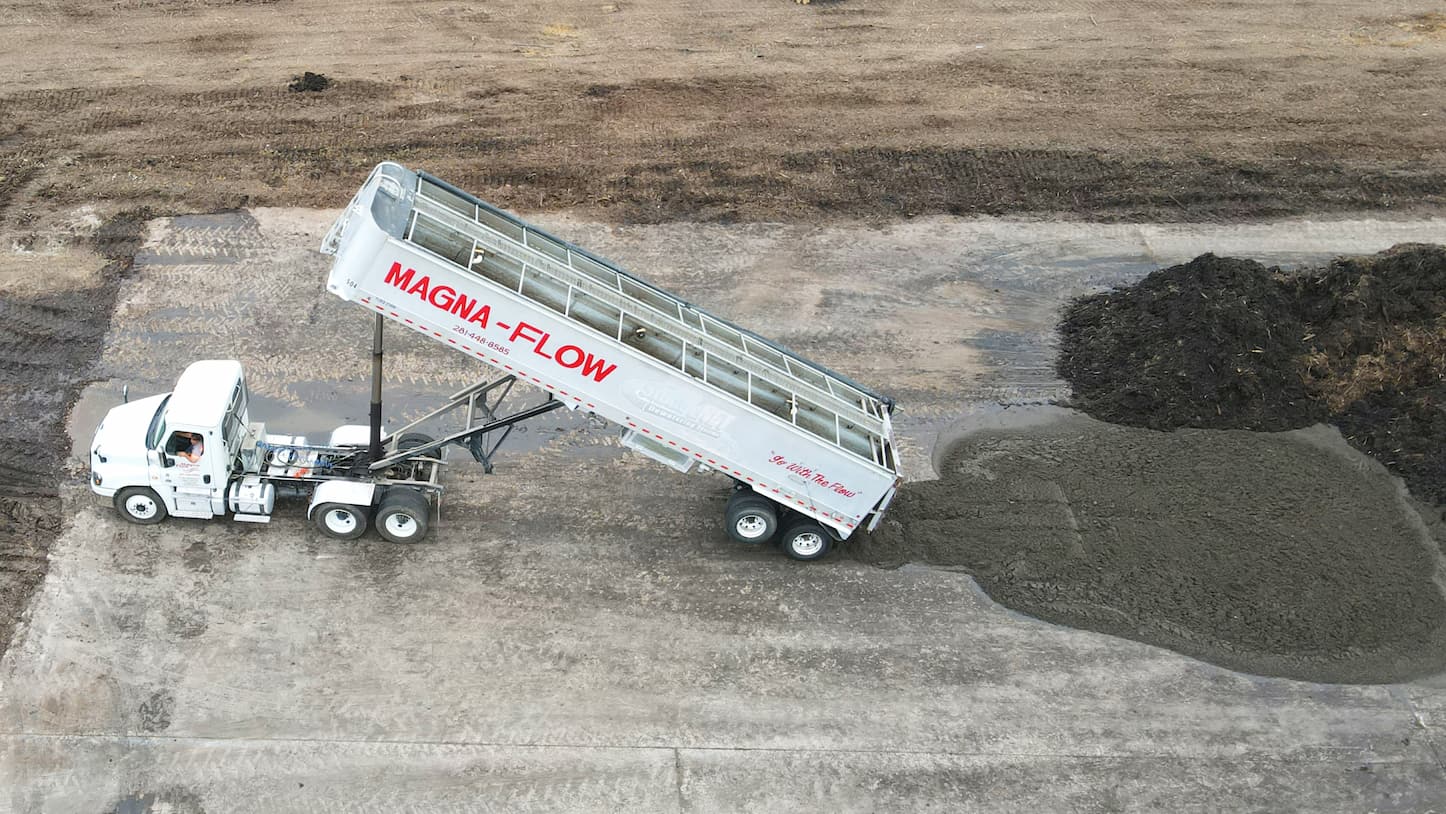
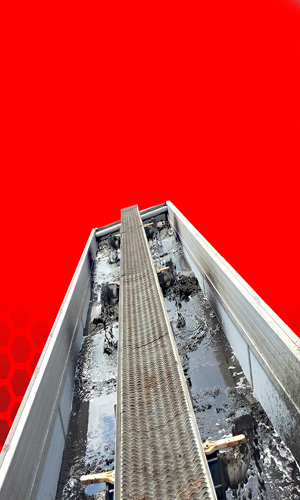
All solids, slurry, and liquid waste removed during online cleaning operations are collected using vacuum equipment and transported using company-owned vehicles. Material is delivered to approved receiving facilities with full load documentation, disposal manifests, and receiving records provided per load and per facility requirements.
Can online cleaning be done on an emergency basis?
Yes. We support both scheduled maintenance programs and time-sensitive emergency response for situations where accumulated solids are impairing treatment performance, triggering permit concerns, or creating overflow risk. Dispatch timing depends on location, site access, and current fleet availability, but we prioritize rapid coordination when operational impact is present.