What does lift station cleaning involve?
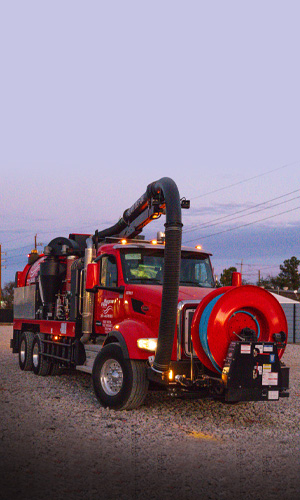
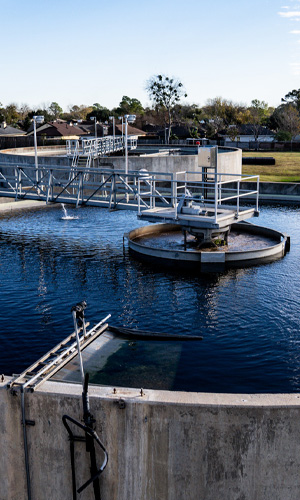
Lift station cleaning involves removing accumulated grease, rags, grit, debris, and other material from the wet well and associated structures. Over time these deposits reduce wet well capacity, clog pump intake screens, cause pump failures, and create overflow risk. Cleaning restores active volume, protects pump performance, and reduces the likelihood of sanitary sewer overflows.
Can lift stations be cleaned while they remain in service?
Yes. In many cases lift station wet wells can be cleaned using online methods that keep the station in service during the work — removing debris and accumulated material while pumps continue to operate. For stations requiring more thorough cleanouts, we coordinate with system operators to sequence the work within available maintenance windows and minimize bypass requirements.
How often should lift stations be cleaned?
Cleaning frequency depends on influent characteristics, wet well size, pump cycle rates, and the volume of grease and rag loading entering the station. High-grease or high-rag systems may require quarterly or more frequent service. Many operators schedule routine cleanouts as part of a preventive maintenance program to avoid pump failures and overflow events between inspections.
Do you support emergency lift station cleaning?
Yes. We support both scheduled maintenance and emergency response for situations where accumulated material is impairing pump operation, triggering alarms, or creating overflow risk. Dispatch timing depends on location, site access, and current fleet availability, but we prioritize rapid coordination when operations are at risk of impact.
What happens to the material removed from the wet well?
All grease, rags, grit, sludge, and liquid waste removed during lift station cleaning are vacuumed into company-owned transport equipment and delivered to approved receiving and disposal facilities. Full documentation is provided per service event, including load tickets and disposal records aligned with facility and regulatory requirements.