What is hydro excavation and how does it work?
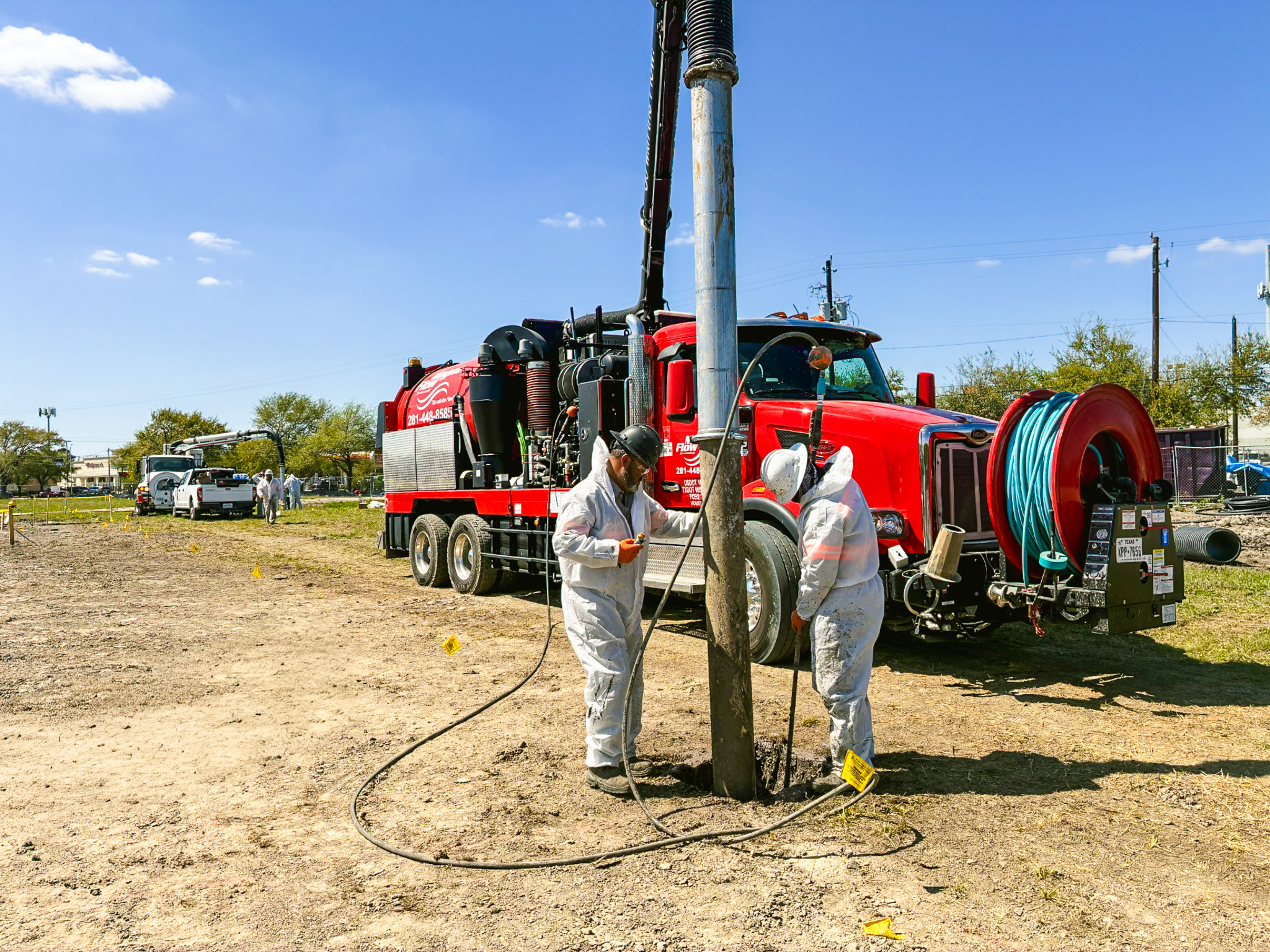
Hydro excavation uses pressurized water to break up soil and a powerful vacuum system to simultaneously remove the resulting slurry into a debris tank. This allows precise, controlled excavation around buried utilities, pipes, and infrastructure without the risk of mechanical damage from traditional digging equipment.
What is potholing and when is it used?
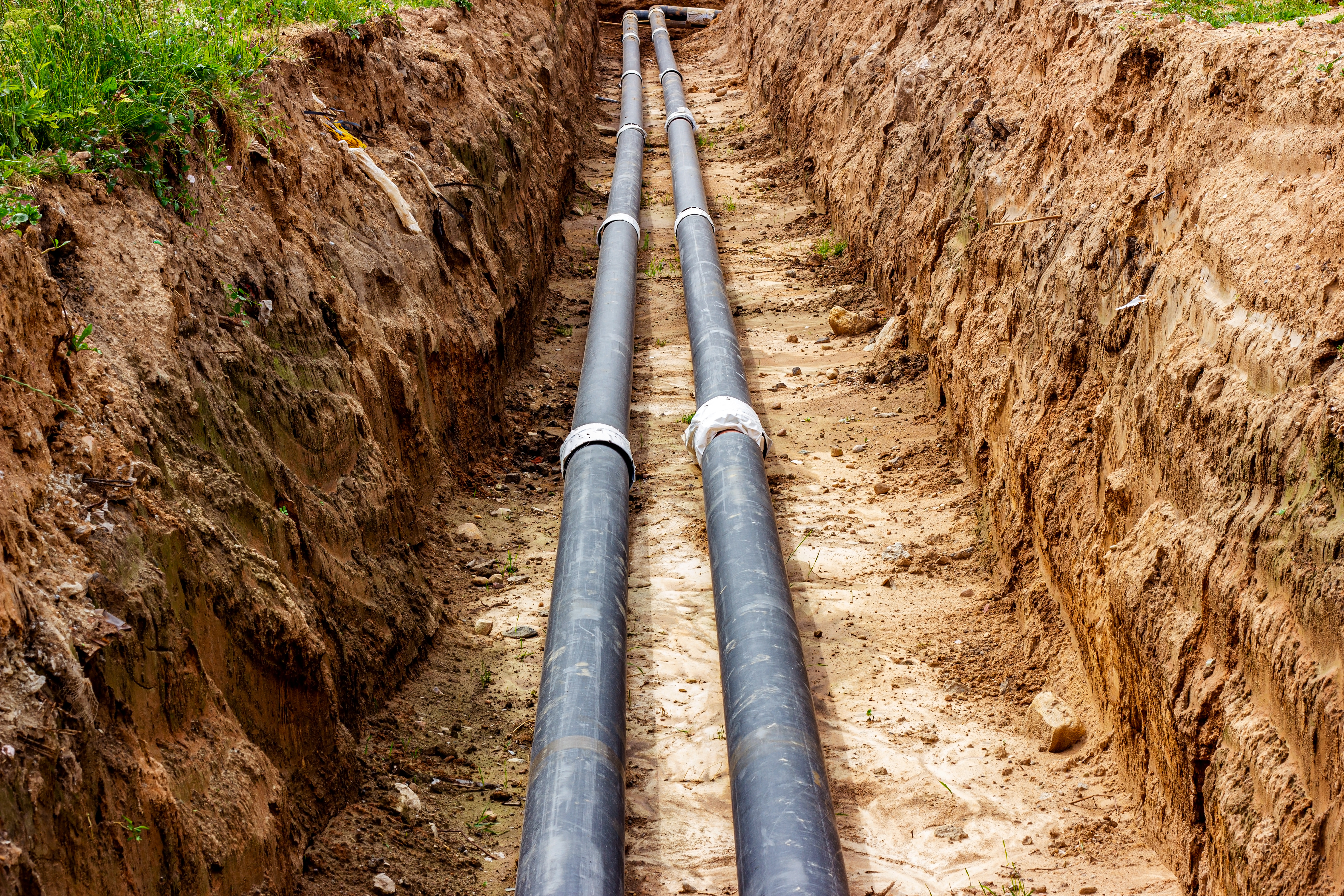
Potholing is the process of creating small, precise excavation holes to visually expose and verify the location, depth, and condition of buried utilities before any construction or repair work begins. It is widely used by contractors, municipalities, and utilities to reduce the risk of strike damage during excavation.
Is hydro excavation safe around existing utilities?
Yes. Hydro excavation is considered a non-destructive digging method because the pressurized water and vacuum system can be precisely controlled to expose utilities without the risk of mechanical contact. It is commonly specified near gas lines, fiber optic cables, water mains, and electrical conduit where traditional mechanical excavation poses a significant strike risk.
What happens to the spoils and excavated material?
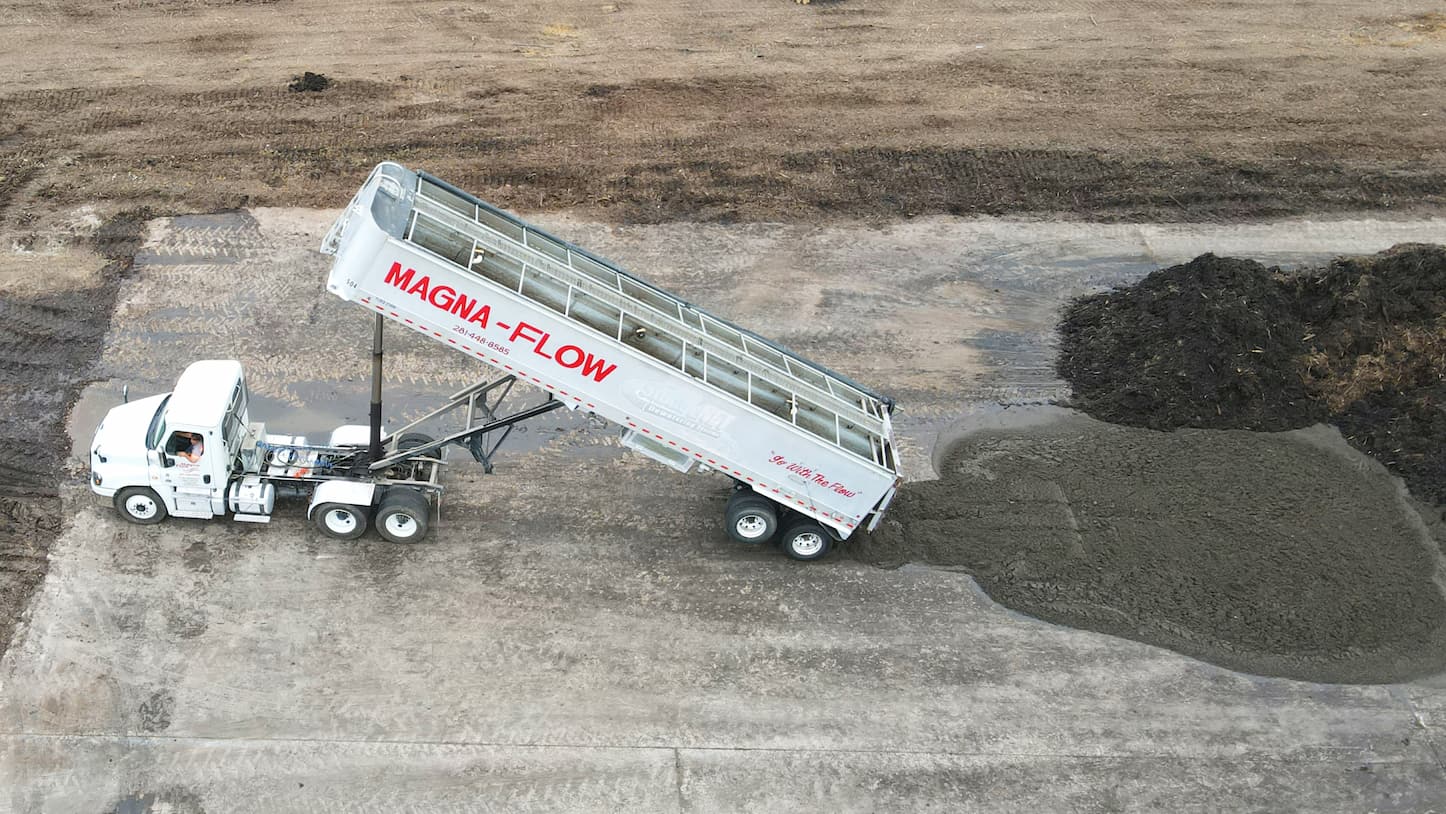
All excavated soil and slurry is collected in the debris tank on our vacuum excavation unit. Spoils are transported and disposed of through approved receiving procedures. Full documentation is provided for material removed from the site, and disposal is coordinated to meet project and regulatory requirements.
Can you work in congested urban areas or tight job sites?
Yes. Hydro excavation equipment can be positioned on a roadway, parking area, or staging zone with hose extensions that reach the work area — meaning the truck does not need to be directly over the excavation. This makes it well-suited for congested urban sites, work near traffic, and locations with limited equipment access.