What is hydro jetting and how does it work?
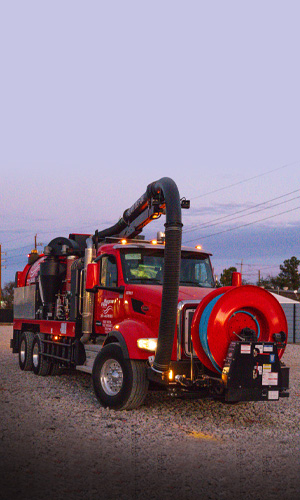
Hydro jetting uses high-pressure water—typically 2,000 to 4,000 PSI or more—to scour the interior walls of sewer lines, storm drains, and industrial piping. A specialized nozzle is inserted into the line and propels water forward and backward simultaneously, cutting through grease, roots, scale, and debris while flushing material downstream for removal.
What types of blockages can hydro jetting clear?
Hydro jetting is effective against grease and fat accumulation, root intrusion, mineral scale and calcium buildup, sediment and silt, and general debris blockages. It is one of the most thorough cleaning methods available for sewer and drain lines.
Do you support emergency hydro jetting dispatch?
Yes. We support both scheduled maintenance and emergency response for urgent line blockages or system failures. Dispatch timing depends on location, site access, and current fleet availability, but we prioritize rapid mobilization when systems are impacted or at risk of overflow.
Can hydro jetting damage older or fragile pipes?
Hydro jetting is generally safe for most pipe materials when performed correctly. Our crews assess line condition before jetting, and we adjust pressure settings based on pipe age, material, and diameter. If a pre-inspection via CCTV is warranted, we can coordinate that step before any cleaning begins.
What pipe sizes and line types do you service?
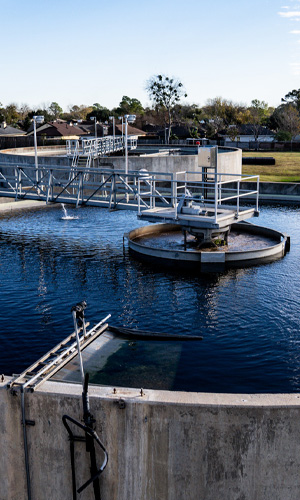
We service a wide range of pipe diameters from small residential drain lines to large-diameter municipal and industrial mains. Our equipment supports residential, commercial, municipal sewer systems, lift station force mains, industrial process lines, and storm drainage infrastructure.