What types of clarifiers do you clean?
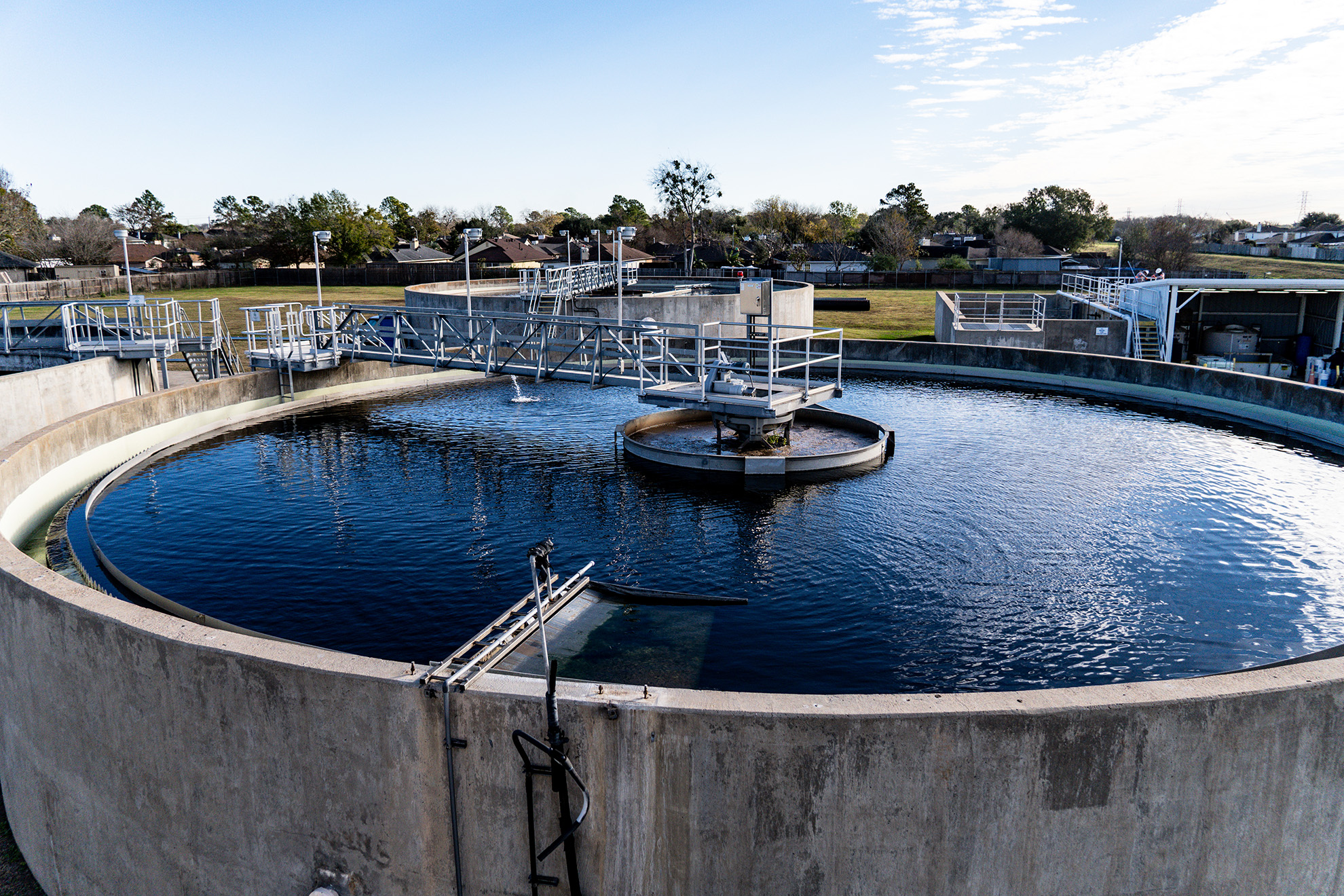
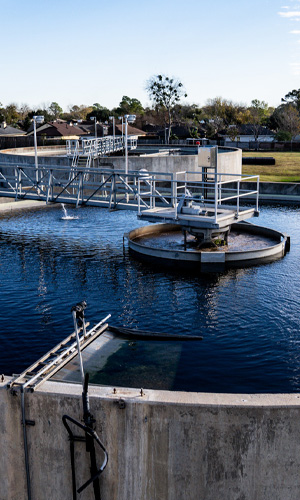
Magna-Flow cleans both primary and secondary clarifiers, as well as lamella clarifiers, dissolved air flotation (DAF) units, and industrial settling tanks. Our crews are experienced with circular, rectangular, and custom clarifier configurations across a wide range of sizes and flow capacities.
Do you clean clarifiers while they are in service or taken offline?
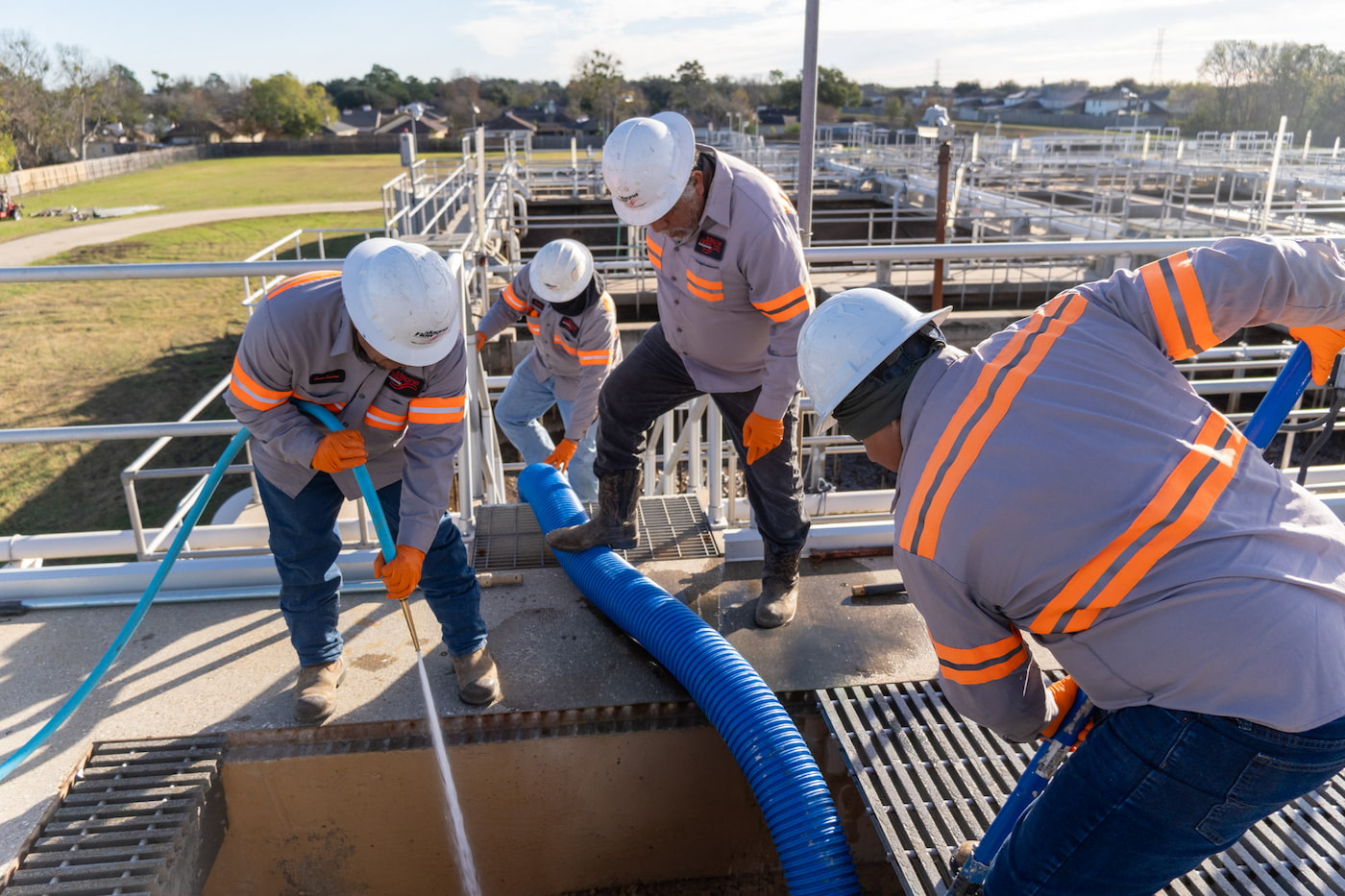
We support both approaches depending on facility configuration and operational requirements. Where conditions allow, online cleaning methods can be used to remove accumulated solids without a full shutdown. For thorough cleanouts requiring dewatering and confined space entry, we coordinate planned outages and provide full confined space support, waste removal, and documentation.
What happens to the sludge and solids removed from the clarifier?
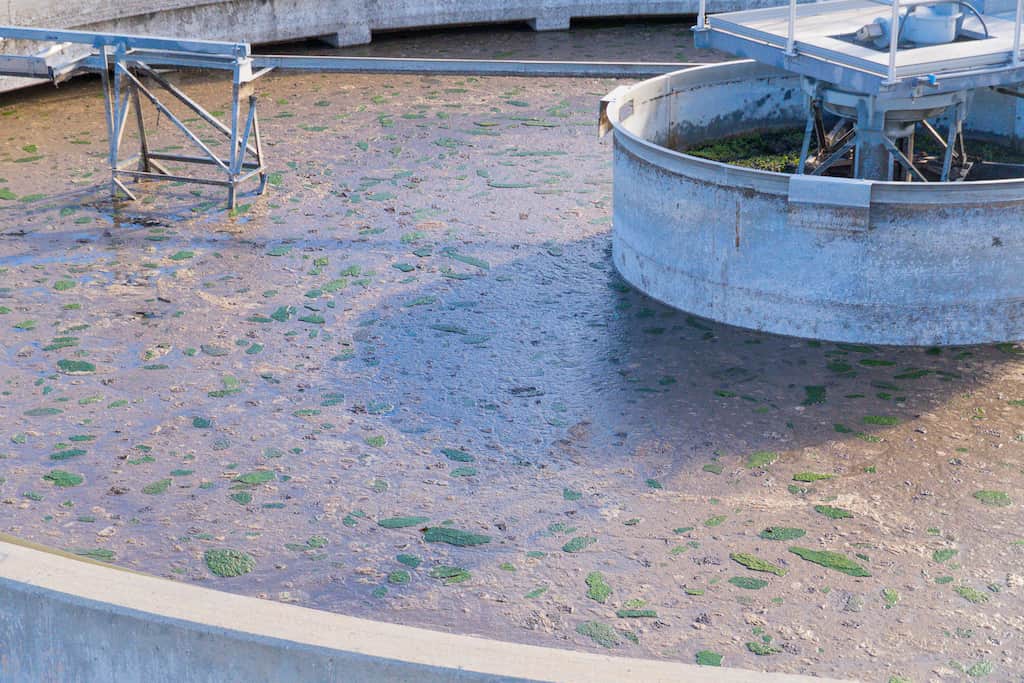
All sludge, solids, and liquid waste removed during clarifier cleaning are vacuumed using company-owned equipment and transported to approved receiving and disposal facilities. Full chain-of-custody documentation is provided per load, including load tickets, weight tickets, and disposal records aligned with facility and regulatory requirements.
Do you provide confined space entry support for clarifier cleanouts?
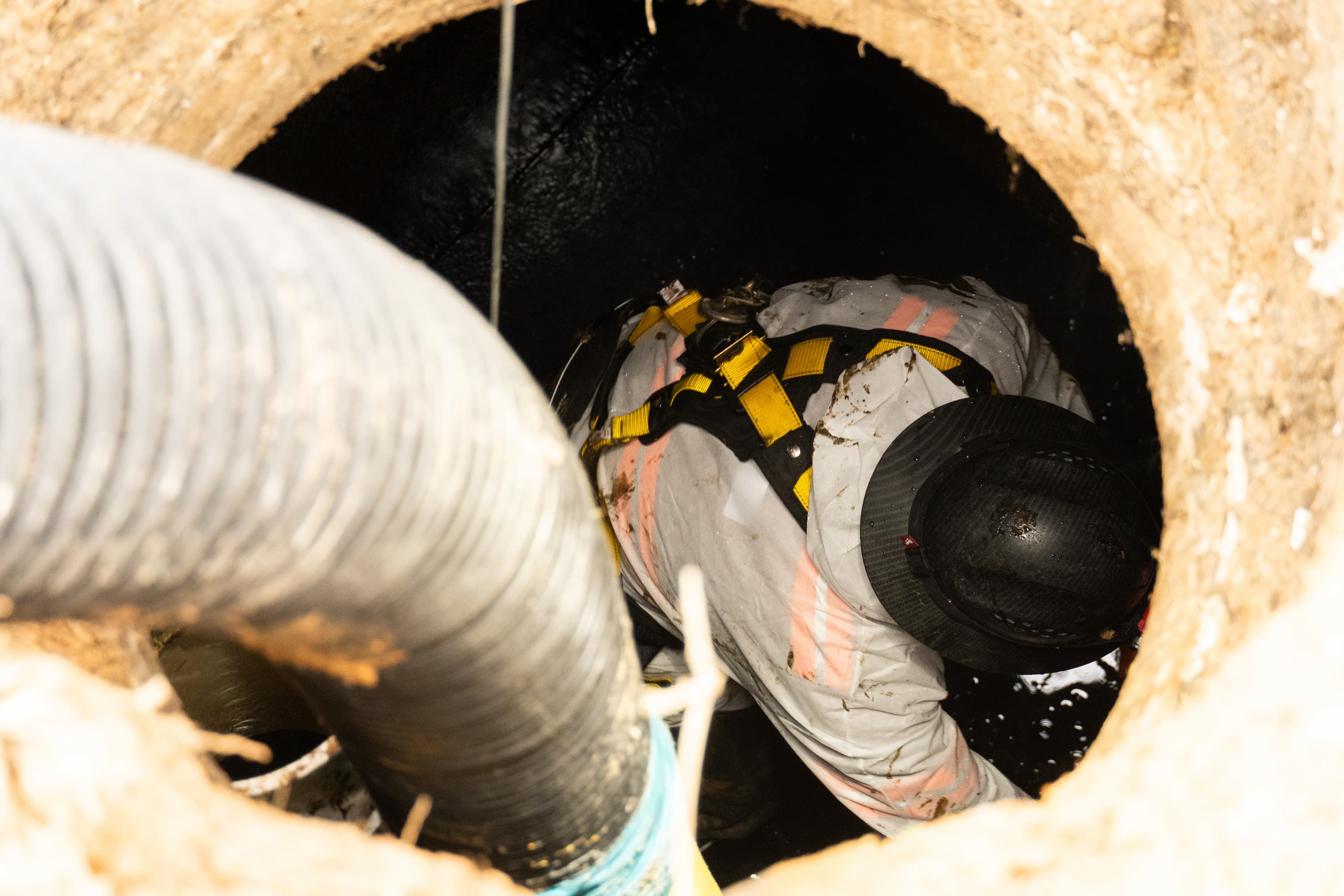
Yes. Clarifier cleanouts that require personnel to enter the basin are treated as confined space entry operations. Our crews follow established confined space entry procedures including atmospheric monitoring, attendant support, and rescue provisions. All confined space work is coordinated with the facility's safety requirements and applicable regulatory standards.
How often should clarifiers be cleaned?
Cleaning frequency depends on influent loading, sludge blanket depth, clarifier design, and operational performance targets. Many facilities schedule annual or semi-annual cleanouts as part of a broader plant maintenance program. We can support facilities with both one-time cleanouts and recurring scheduled maintenance to keep clarifiers operating at design capacity.