What types of digesters do you clean?
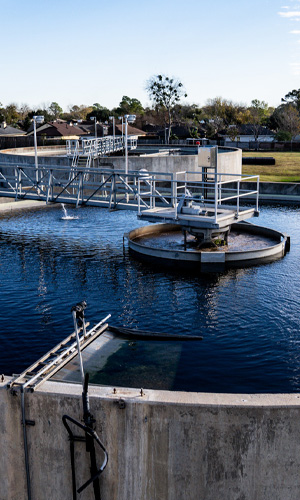
Magna-Flow cleans both aerobic and anaerobic digesters, including egg-shaped digesters, conventional covered digesters, and open aerobic digester tanks. Our crews are experienced with digester configurations across a wide range of municipal and industrial treatment facilities and adapt cleaning methods to the specific geometry, access points, and material characteristics of each unit.
What materials are removed during a digester cleanout?
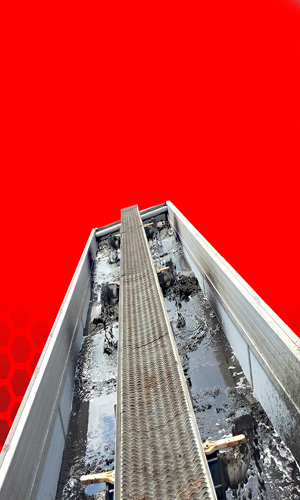
Digester cleanouts typically involve the removal of accumulated grit, inorganic debris, rag accumulations, scum layers, and residual sludge that have built up over the digester's operating cycle. These materials reduce active digester volume, impair gas production in anaerobic units, and can damage mechanical components including mixers and gas handling equipment if not addressed.
Is confined space entry required for digester cleaning?
Yes, in most cases. Digester cleanouts require personnel to enter confined spaces, and all entry work is managed accordingly — with atmospheric monitoring, attendant staffing, and rescue provisions in place throughout the operation. Our crews are trained and equipped for confined space entry in digester environments, including the additional atmospheric hazards present in anaerobic digester cleanouts.
How do you handle the gas hazards in anaerobic digesters?
Anaerobic digesters present elevated atmospheric hazards including methane, hydrogen sulfide, and oxygen-deficient conditions. Prior to any entry, the digester is taken out of service, purged, and verified safe for entry through continuous atmospheric monitoring. Entry teams use supplied air or appropriate respiratory protection as conditions require, and monitoring continues throughout the cleanout operation.
What happens to the material removed from the digester?
All grit, rags, residual sludge, and liquid waste removed during digester cleaning are vacuumed into company-owned transport equipment and delivered to approved receiving and disposal facilities. Full chain-of-custody documentation is provided per load, including load tickets, weight tickets, and disposal records aligned with facility and regulatory requirements.